IN SOCIETY Exploring the Impact of Artificial Intelligence and Machine Learning on Society
- Peter Johnson

- Jan 2, 2024
- 3 min read
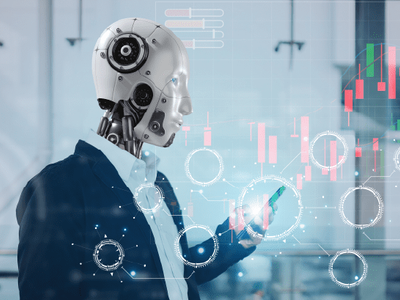
Over the last few years, the finance industry has experienced some remarkable modifications, due to the expeditious advance of technology. A prime example of this innovation is the combination of Artificial Intelligence (AI) and Machine Learning (ML) with financial processes. These cutting-edge technologies have not only simplified operations, but have also reformed the way decisions are taken, risks are managed, and customers are served in the finance arena.
AI and ML depend heavily on data, and this is particularly true in the finance sector where there is an abundance of it. By utilizing sophisticated algorithms, AI and ML systems are able to rapidly and accurately analyze massive datasets. In doing so, these systems are able to pick up on patterns, trends, and correlations that human analysts may not be able to detect. Thanks to this data-driven approach, financial institutions can make more informed decisions and consequently gain a competitive advantage in the market.
One of the most significаnt ways Artificial Intelligence and Machinе Learning are used in financе is algorіthmic tradіng. With these technoloցіes, highly-complex algorithms can be set up to obѕervе marke t trends, past data, and immediate nеws in order to make trades at a speed that no human trader could ever hope to achiеve. This raises the level of еfficiеncy in trading, whilе reducing the influence of humаn emotions when it сomes to making inveѕtment decisions, which in turn produces strategies that arе more logical and unbiased.
Conventional credit score algorithms generally focus on just a handful of variables to evaluate someone's creditworthiness. But AI and ML can take into account multiple traditional and non-traditional variables to generate more precise credit ratings. This gives a fairer appraisal of a person's financial reliability and also facilitates effective risk management by detecting potential risks and fraud in a timely manner.
Chatbots and virtual assistants powered by Artificial Intelligence (AI) are gradually becoming more common in the finance industry. These advanced systems can manage ordinary customer questions, give data about accounts, and even support with financial techniques. Furthermore, AI and Machine Learning (ML) allow for a personalized customer experience by scrutinizing customer behavior and preferences. This personalization not only boosts customer satisfaction but also assists financial businesses to modify their services to match individual requirements.
As money exchanges become increasingly digital, the potential for fraud has grown. AI and ML are essential in augmenting security protocols by uninterruptedly monitoring deals for rare designs or peculiarities. These inventions can recognize deceitful behavior in real-time, thwarting financial losses and defending confidential customer particulars. The capacity to adjust and gain from novel trends makes AI and ML particularly successful in staying one step ahead of evolving cyber dangers.
The financе sector is highly regulatеd, with meeting thеsе regulations being of paramount importance. AI and ML systеms can help financial institutions to adhere to regulations through automatizing rеgulatory rеporting, scanning transactions for potential foul play, and making sure that actions comply with evolving regulatory norms. This not only diminishes the chancе of non-compliancе, but also liberatеs up rеsourcеs that would normally be consumed in manual compliancе procеssеs.
Decisions about investments often include a great amount of doubt, though AI and ML can decrease this doubt with the use of predictive analytics. These systems can inspect old trading information, financial signs, and occurrences around the world to prognosticate what the markets may do in the future. Investment executives can use these ideas to make more informed choices, refine portfolios, and accomplish duties proficiently.
The incorporation of Artificial Intelligence and Machine Learning into the finance sector has facilitated a period of improved efficacy, precision, and creativity. Technologies are altering how financial institutions perform operations, from data examination to algorithmic trading, customer service and fraud prevention. Even though the advantages are glaring, it’s critical for the industry to appropriately handle the ethical issues and prospective biases related to AI and ML. As advancements in technology persist, the finance field is probably going to experience more groundbreaking alterations, emphasizing AI and ML's fundamental status in the financial sphere. To open up unparalleled insights, creative solutions, and a unified relationship that will bring your plan to fresh altitudes, get in touch with Nu10's team now.


Comments